Event Article
Guanghua 2025 New York Alumni Gathering Recap: Economic Trends, Global Challenges, and Career Growth
A deep-dive session on U.S. economic shifts, global challenges, and career development paths in finance.
Summary
At the New York alumni gathering in November 2025, guests discussed U.S. economic restructuring, global challenges, AI investment bubble risks, and career development paths. The article also preserves the English supplementary remarks from the original PDF as supporting reading material in an international context.
Event Overview
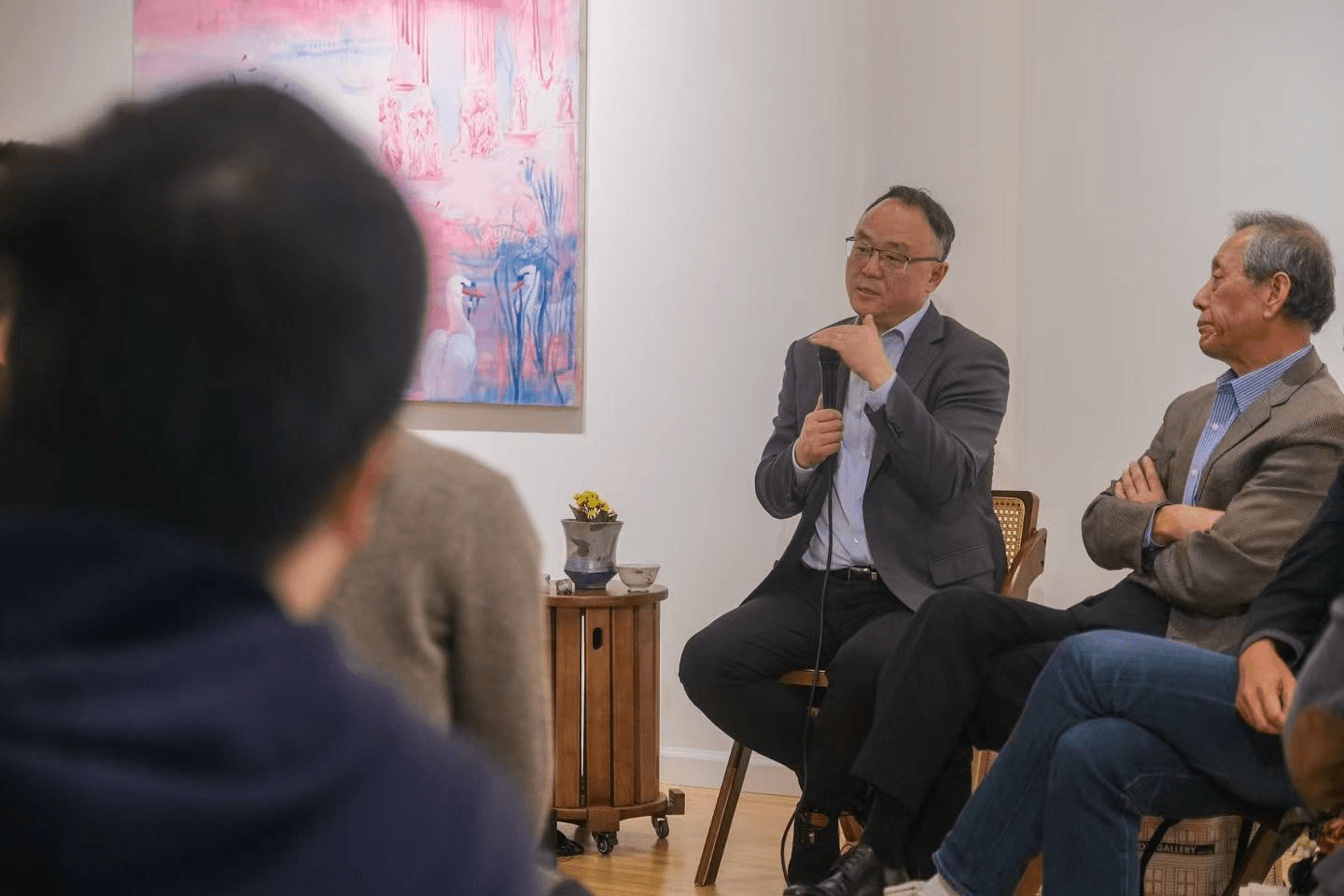
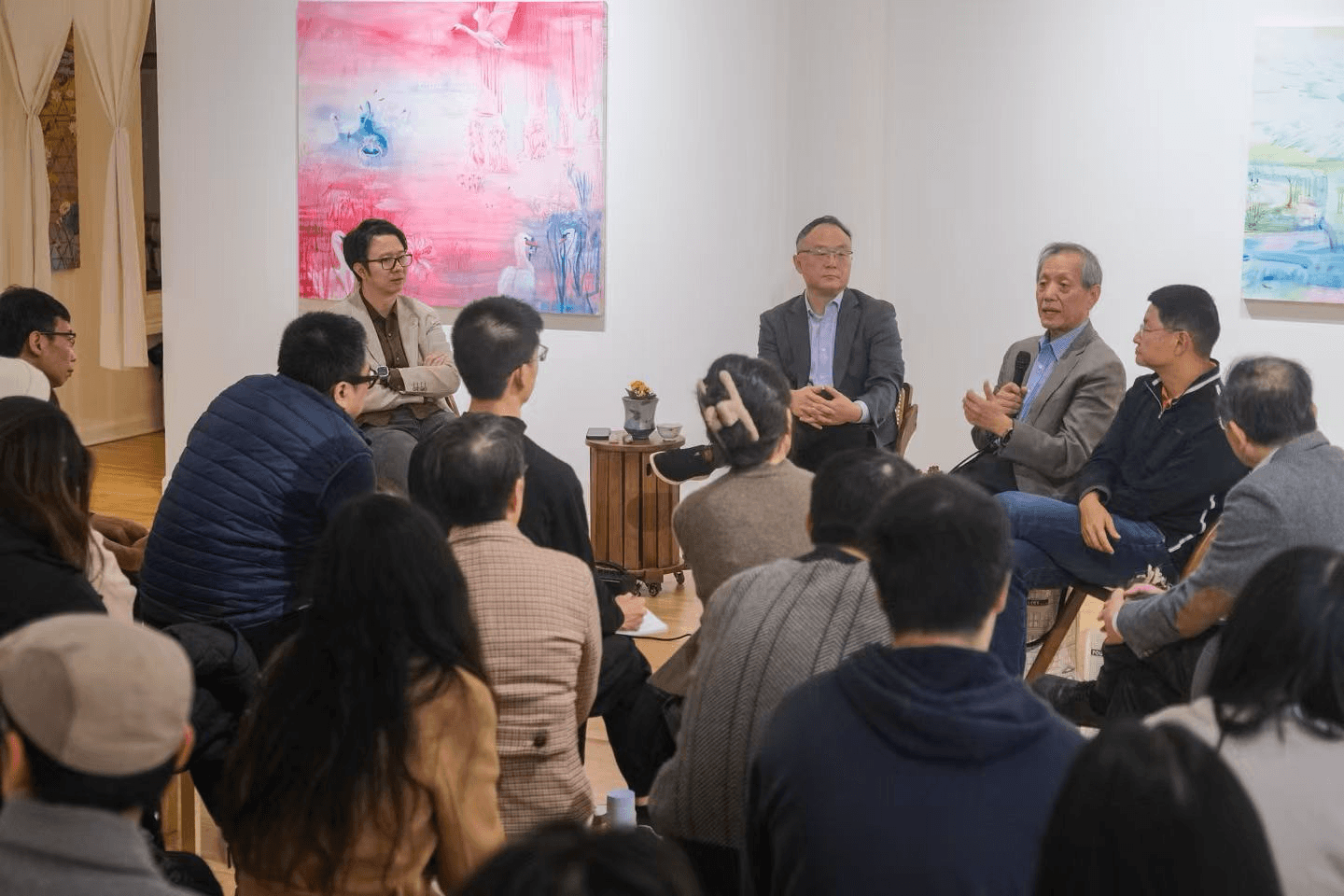
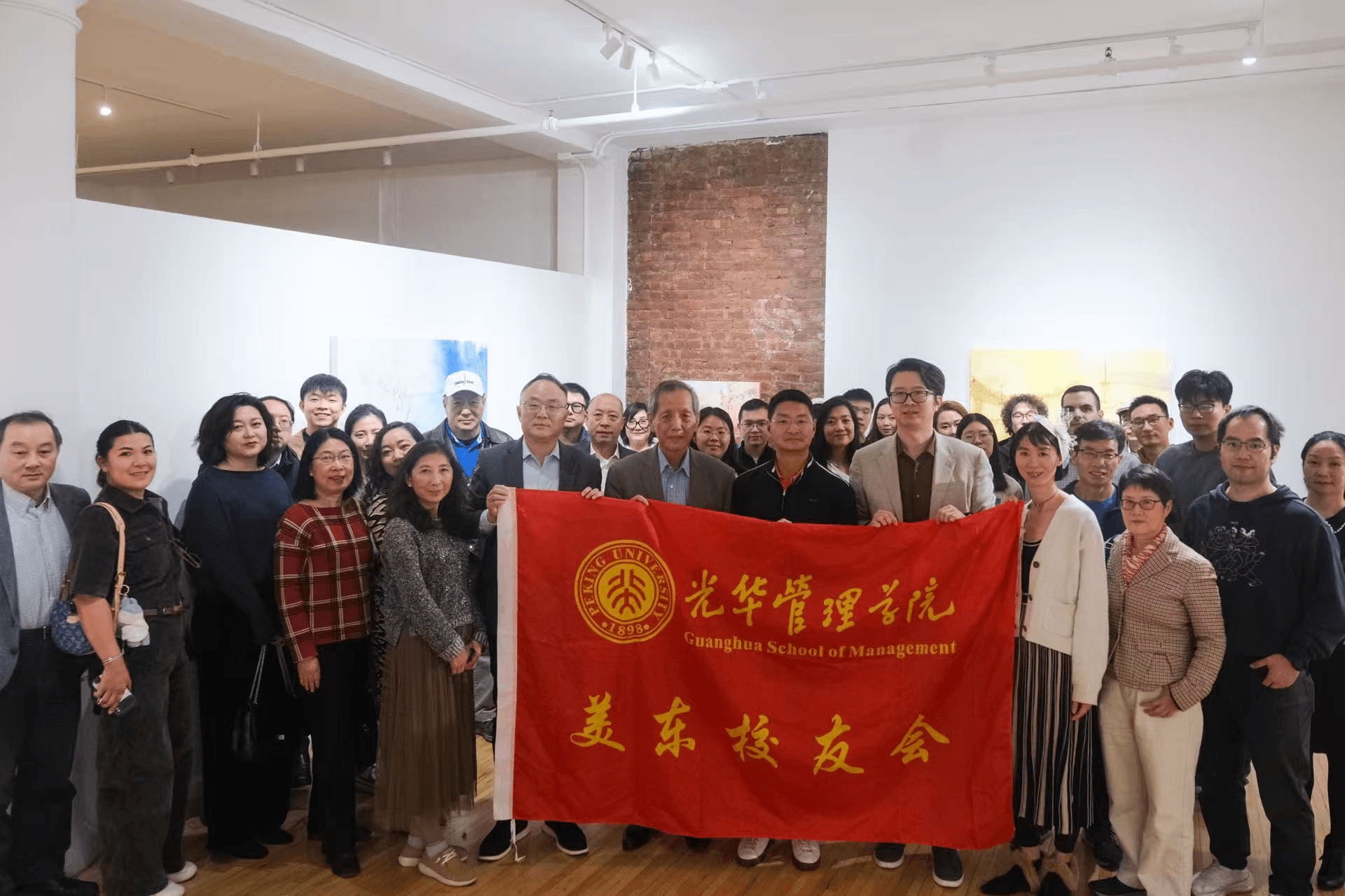
In November 2025, the Guanghua New York alumni gathering was successfully held. Staying true to the school mission of creating management knowledge, cultivating business leaders, and advancing social progress, the event centered on macroeconomic judgment, global challenges, and career-path exchange, offering a discussion that balanced intellectual depth with practical concern.
Core Economic Views
- Hu Gang approached the discussion through changes in the U.S. economic structure, arguing that the country is moving from "money controlling power" to "power controlling money," and linking that shift to uneven distribution of technology dividends and the way fiscal policy influences asset prices.
- Within a China-U.S. comparison, he suggested that both countries face a shared challenge: finding a political-economic structure in the AI era that can better withstand unequal growth distribution.
- Li Shanquan argued that 2025 was marked by strong divergence and unpredictability, with gold and large-cap technology stocks standing out while other areas came under pressure. In that environment, diversification matters more than making a single concentrated bet.
- He further stressed that neither capitalism nor planned economies can fully escape economic cycles, and that investment judgment must be grounded in respect for cyclical discipline.
- Hu Dapeng warned about overheating risks in AI infrastructure investment. As large tech firms pour capital into data centers, only a small number of winners may emerge, and not all capital spending will translate into real returns.
- He also noted that chips, electricity, critical minerals, and rare earth inputs will keep long-term inflation pressure elevated, making judgments about rates and valuation more complicated.
Investment and Market Judgment
The original notes suggested that asset prices may still receive liquidity support as long as policy spending continues. Yet once market corrections move beyond minor fluctuations, they often signal deeper risk release. Overall, the discussion avoided overly simple conclusions and instead emphasized discipline, diversification, and boundaries in a highly uncertain environment.
Career Development and Long-Term Growth
- Hu Gang shared how a long period of setbacks during his doctoral studies eventually led to a key breakthrough, emphasizing the shift from answering questions to asking better questions.
- Drawing on his experience in long-term asset management, Li Shanquan reminded younger alumni not to confuse one success with the full extent of their capabilities; recognizing limits is an important part of maturity.
- Hu Dapeng described career success as built on two layers of ability: strong technical skills and the ability to understand how organizations and relationships actually work.
- The original text especially highlighted the idea of delayed transactions: high-quality collaboration rests on long-term trust, which requires consistency, patience, and genuine relational investment.
About the English Supplement
The second PDF included English comments in its latter half, offering a brief translation and supplement to the discussion on macro views and career advice. To preserve readability, the website presents the main article first, while the English portion remains preserved in the original extracted file.
Event Gallery